
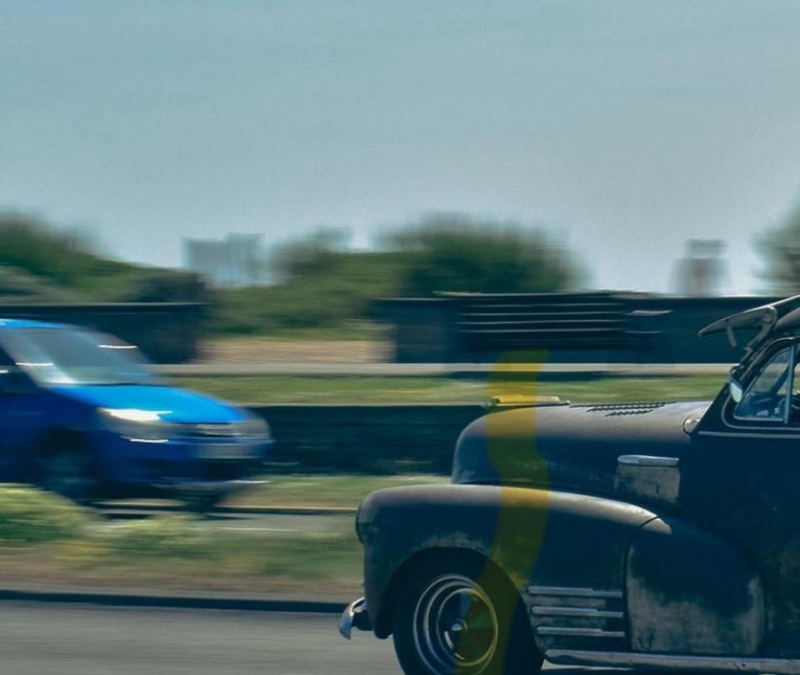
Photography is a powerful medium that allows us to capture moments, tell stories, and express our creativity. With the advent of digital photography, the possibilities for capturing and editing images have expanded exponentially. In this blog post, we will explore the art of photography and the importance of editing in creating stunning visuals.
The Art of Photography
Photography is more than just pointing a camera and pressing a button. It is about capturing a moment, freezing it in time, and conveying a message or emotion. Whether you are shooting landscapes, portraits, or still life, photography requires skill, patience, and an eye for detail.
Composition plays a crucial role in photography. It is the arrangement of elements within the frame that creates a visually pleasing image. Understanding the rule of thirds, leading lines, and balance can help you create more impactful photographs.
Lighting is another essential aspect of photography. The way light interacts with your subject can dramatically change the mood and atmosphere of your image. Whether you are shooting in natural or artificial light, understanding how to manipulate and control light can take your photography to the next level.
The Importance of Editing
Editing is an integral part of the photographic process. It allows you to enhance the visual impact of your images, correct any imperfections, and bring your creative vision to life. Editing can be done using various software programs, such as Adobe Photoshop or Lightroom.
One of the primary purposes of editing is to adjust the exposure of an image. Exposure refers to the brightness or darkness of a photograph. By adjusting the exposure, you can bring out the details in the shadows or highlights, creating a more balanced and visually appealing image.
Color correction is another crucial aspect of editing. It involves adjusting the color balance, saturation, and hue of an image to achieve the desired look. Whether you want to create a vibrant and colorful image or a moody and desaturated one, color correction allows you to manipulate the tones in your photograph.
Editing also allows you to enhance the sharpness and clarity of your images. By applying sharpening techniques and reducing noise, you can make your photos appear more crisp and professional. Additionally, you can crop and straighten your images to improve the composition and remove any distractions.
Developing Your Style
Photography and editing go hand in hand when it comes to developing your unique style. Experimenting with different techniques, compositions, and editing styles can help you discover your artistic voice.
It is essential to remember that editing should enhance your photographs, not completely alter them. Strive for a balance between enhancing the natural beauty of your images and maintaining their authenticity.
As you continue to practice photography and editing, you will refine your skills and develop your style. Don’t be afraid to take risks and push the boundaries of your creativity. The more you explore and experiment, the more you will grow as a photographer and editor.
Conclusion
Photography and editing are two interconnected aspects of the creative process. By understanding the art of photography and the importance of editing, you can create visually stunning images that captivate and inspire. Whether you are a beginner or an experienced photographer, never stop learning and exploring the endless possibilities that photography and editing offer.