
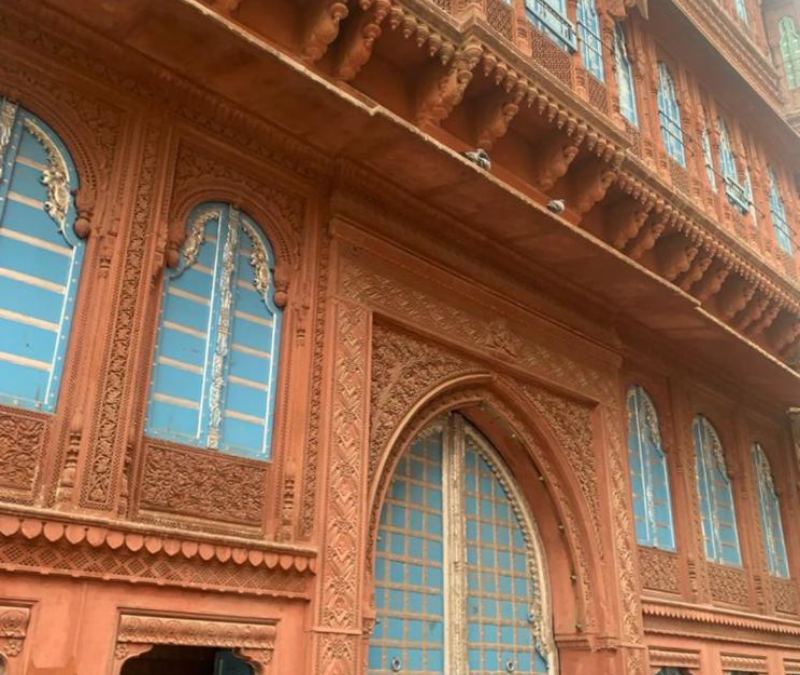
Photography is a powerful medium that allows us to capture and preserve moments in time. Whether you are a professional photographer or an amateur enthusiast, the art of photography goes beyond just clicking a button. It involves careful composition, lighting, and capturing the essence of a subject.
The Importance of Composition
Composition is the foundation of a great photograph. It is the arrangement of elements within the frame that creates a visually pleasing image. When composing a photograph, consider the rule of thirds, leading lines, and symmetry. These techniques help to create balance and draw the viewer’s eye to the main subject.
Experiment with different angles and perspectives to add depth and interest to your photographs. Don’t be afraid to break the rules and try something new. Sometimes the most unique and captivating images come from thinking outside the box.
The Role of Lighting
Lighting is a crucial element in photography. It can make or break a photograph. Natural light is often preferred as it provides a soft and flattering effect. However, learning to work with different lighting conditions, such as low light or harsh sunlight, can add drama and create striking images.
Understanding how to control and manipulate light is essential. Experiment with different lighting techniques, such as backlighting or using reflectors, to create the desired effect. Don’t be afraid to use artificial lighting, such as flash or studio lights, to achieve the desired mood and atmosphere.
The Art of Editing
Editing is an integral part of the photography process. It allows you to enhance and refine your images, bringing out the best in each photograph. With advancements in technology, editing tools and software have become more accessible and user-friendly.
When editing, start by adjusting the basic parameters such as exposure, contrast, and saturation. This helps to correct any exposure issues and bring out the colors in your image. Pay attention to details such as sharpness and noise reduction to ensure a crisp and clean final result.
Experiment with different editing styles, such as black and white or vintage filters, to add a unique touch to your photographs. However, remember to use editing techniques in moderation. The goal is to enhance the image, not to completely alter it.
Developing Your Style
Photography is a personal expression of creativity. It is important to develop your own style and vision. Take inspiration from other photographers but strive to create images that are uniquely yours. Experiment with different genres and subjects to find what resonates with you.
Practice is key to improving your photography skills. Take your camera with you wherever you go and challenge yourself to capture different subjects and moments. Don’t be discouraged by failures or mistakes. Learn from them and use them as stepping stones to grow as a photographer.
Remember, photography is not just about the technical aspects. It is about telling a story, evoking emotions, and capturing the beauty of the world around us. So grab your camera, explore, and let your creativity shine through.