
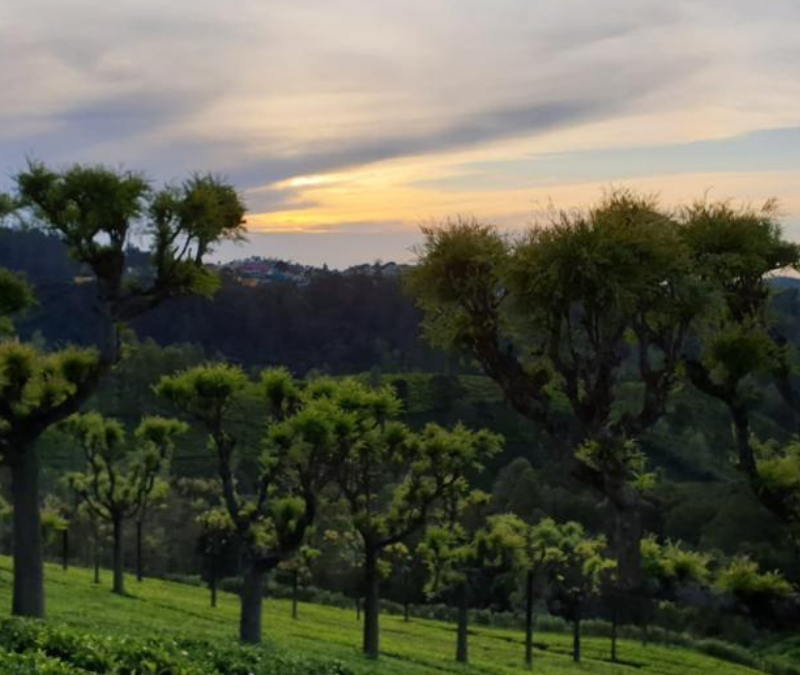
Photography is a powerful medium that allows us to capture and preserve moments in time. It is a form of art that enables us to express our creativity, tell stories, and evoke emotions through visual imagery. However, the process of photography doesn’t end with just capturing the image. Editing plays a crucial role in enhancing and refining the final result.
The Importance of Editing
Editing is the process of selecting and manipulating images to improve their overall quality and visual impact. It involves adjusting various elements such as exposure, color balance, contrast, and sharpness to achieve the desired look and feel. Editing allows photographers to bring their creative vision to life and make their images stand out.
One of the key benefits of editing is the ability to correct any imperfections or mistakes that may have occurred during the shooting process. It allows photographers to adjust the exposure if the image is too bright or too dark, correct the white balance to ensure accurate colors, and remove any distracting elements from the frame.
Furthermore, editing enables photographers to enhance the mood and atmosphere of their images. By manipulating the colors, tones, and contrast, photographers can create a specific look or evoke a particular emotion. For example, increasing the saturation and warmth of colors can create a vibrant and energetic feel, while desaturating colors and adding a cool tone can convey a sense of calmness and serenity.
The Tools of Editing
There are various software programs available that are specifically designed for editing photographs. Adobe Photoshop and Lightroom are two popular choices among professional photographers. These tools provide a wide range of features and functionalities that allow photographers to make precise adjustments and enhancements to their images.
Photoshop is a powerful editing software that offers advanced capabilities for retouching, compositing, and manipulating images. It provides tools for adjusting exposure, color balance, and sharpness, as well as options for removing blemishes, unwanted objects, or distractions from the frame.
Lightroom, on the other hand, is a comprehensive photo management and editing tool. It offers a non-destructive editing workflow, which means that the original image file remains untouched, and all the changes are saved as metadata. This allows photographers to experiment with different editing settings without the fear of losing the original image.
The Art of Balancing
While editing is a powerful tool, it is essential to strike a balance and not overdo it. It is easy to get carried away with editing and end up with an image that looks artificial or overly processed. The goal of editing should be to enhance the image while maintaining its authenticity and natural beauty.
It is important to have a clear vision of what you want to achieve before starting the editing process. Experiment with different adjustments and settings, but always refer back to your original vision and intention for the image. Pay attention to details and make subtle changes that enhance the overall composition and visual impact.
Remember, editing is a skill that takes time and practice to master. It is a creative process that allows photographers to add their personal touch and style to their images. So, embrace the art of photography and editing, and let your creativity shine through!