
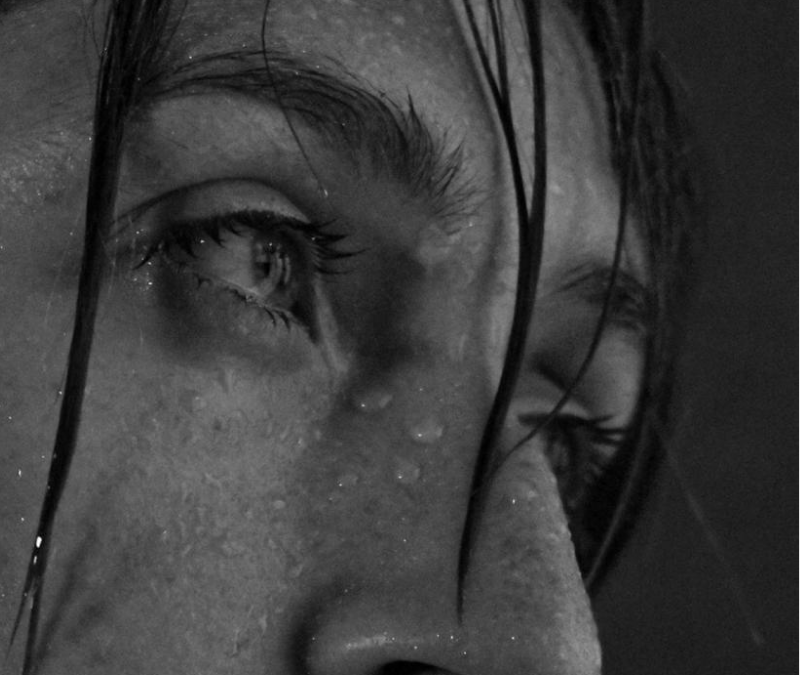
Photography is a powerful medium that allows us to capture and preserve moments in time. Whether it’s a stunning landscape, a candid portrait, or an intricate still life, photography has the ability to evoke emotions and tell stories. But capturing the perfect shot is just the beginning. To truly bring out the beauty and essence of a photograph, editing plays a crucial role.
The Importance of Editing
Editing is the process of enhancing and refining a photograph using various techniques and tools. It allows photographers to adjust the exposure, color balance, composition, and other elements to create the desired look and feel. Editing can transform a good photo into a great one, elevating it to a whole new level.
One of the key benefits of editing is the ability to correct any imperfections or flaws in the original image. Whether it’s removing unwanted objects, reducing noise, or adjusting the sharpness, editing allows photographers to fine-tune their work and create a polished final result.
Choosing the Right Editing Software
There are numerous editing software options available, each with its own set of features and capabilities. Adobe Photoshop and Lightroom are two popular choices among professional photographers. These tools offer a wide range of editing options, from basic adjustments to advanced techniques like layering and masking.
For those looking for a more user-friendly and affordable option, there are also free editing software available, such as GIMP and Pixlr. These programs offer basic editing tools and can be a great starting point for beginners or hobbyists.
Editing Techniques
When it comes to editing, there are endless possibilities. Here are a few common techniques that photographers use to enhance their images:
1. Adjusting Exposure
Exposure refers to the brightness or darkness of an image. By adjusting the exposure, photographers can make the image brighter or darker to achieve the desired look.
2. Enhancing Colors
Colors play a crucial role in photography, and editing allows photographers to enhance and manipulate them. Saturation, contrast, and white balance adjustments can bring out the vibrancy and richness of the colors in an image.
3. Cropping and Composition
Cropping is the process of removing unwanted parts of an image to improve its composition. It allows photographers to focus on the main subject and eliminate any distractions.
4. Sharpening and Noise Reduction
Sharpening helps to enhance the details and clarity of an image, while noise reduction reduces the graininess or pixelation that can occur in low-light or high ISO images.
Finding Your Editing Style
Editing is not just about making technical adjustments; it’s also an opportunity for photographers to express their artistic vision and style. Some photographers prefer a clean and natural look, while others may opt for a more dramatic or moody aesthetic.
Experimenting with different editing techniques and styles can help photographers develop their own unique voice. It’s important to remember that there is no right or wrong way to edit a photograph; it’s all about personal preference and the story you want to tell.
Conclusion
Photography and editing go hand in hand. While capturing a great photo is important, editing is what truly brings it to life. It allows photographers to enhance their images, correct any imperfections, and express their artistic vision. So whether you’re a professional photographer or just starting out, don’t underestimate the power of editing in creating stunning and impactful photographs.